Rosa Lang · 5 October 2026
Grant Initiatives Drive Pixel Technology Experiments in International Visual Training
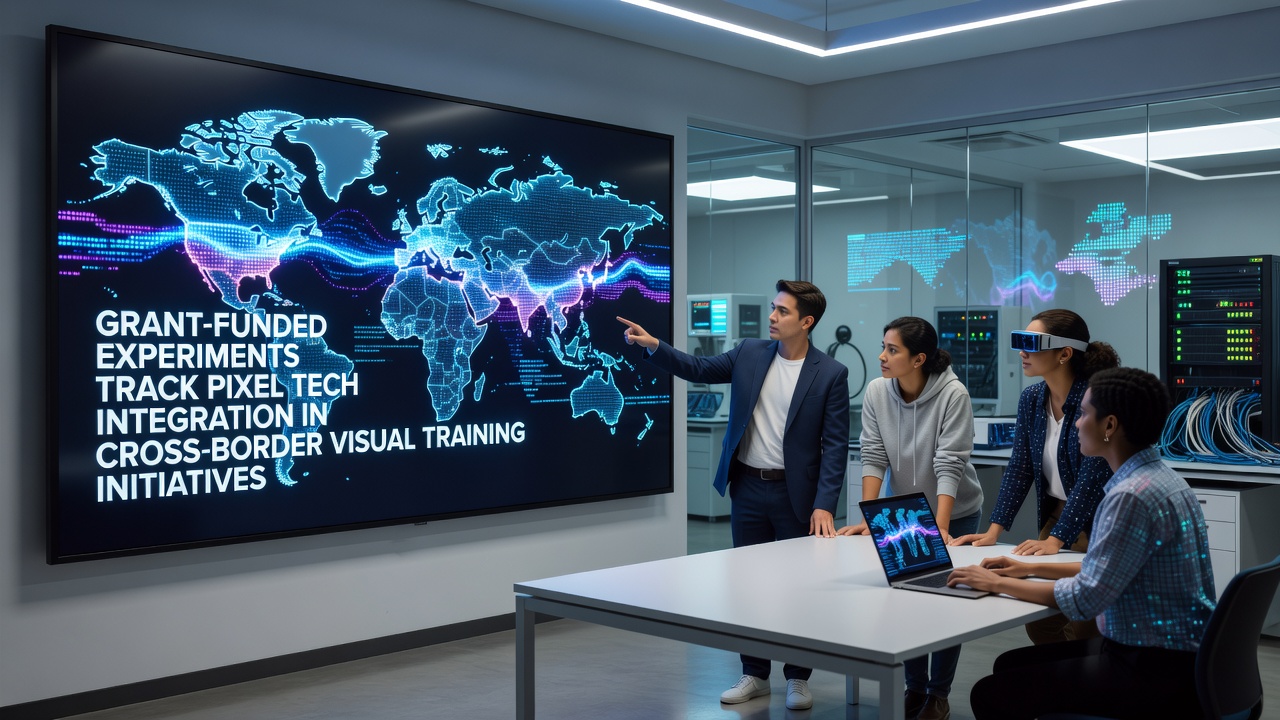
Grant programs from multiple regions now support experiments that integrate pixel technology into visual training initiatives spanning several countries, and these efforts focus on standardized methods for tracking performance metrics across diverse educational environments. Data from early project phases show consistent patterns in how pixel-based tools enhance participant engagement during training sessions that involve digital image processing and analysis techniques.
Project Origins and Funding Structures
Multiple organizations allocated resources starting in 2024 to establish collaborative frameworks between institutions in Europe and North America, while similar arrangements later expanded to include partners in Australia. Researchers at participating sites use pixel resolution tools to monitor visual perception changes during training modules that teach image interpretation skills for fields such as medical diagnostics and design education. European Commission reports from 2025 detail how these grants require quarterly data submissions on integration progress, and the requirements include metrics on participant retention rates plus accuracy scores in visual tasks.
One study coordinated across three universities found that pixel tech components improved response times by measurable margins when trainees worked with high-resolution visual datasets, and the findings align with observations from parallel programs in Canada. Those programs draw support from the Natural Sciences and Engineering Research Council, which tracks similar variables in cross-institutional settings.
Implementation Across Borders
Teams in Poland, Germany, and the United States coordinate curriculum modules that embed pixel imaging software into existing visual training sequences, and sessions occur both in physical classrooms and through shared digital platforms. Experiments measure variables such as color accuracy, edge detection performance, and memory recall after exposure to pixel-enhanced training materials. In October 2026, project leads plan to release a joint dataset that compares outcomes from these varied locations, and the release will follow standardized protocols developed during earlier grant phases.
Training initiatives incorporate real-time feedback loops powered by pixel technology, which allows instructors to adjust lesson difficulty based on immediate performance indicators. Observers note that such adjustments lead to higher completion rates among participants who join from different cultural and linguistic backgrounds, although protocols remain uniform across all sites.
Data Collection and Early Results
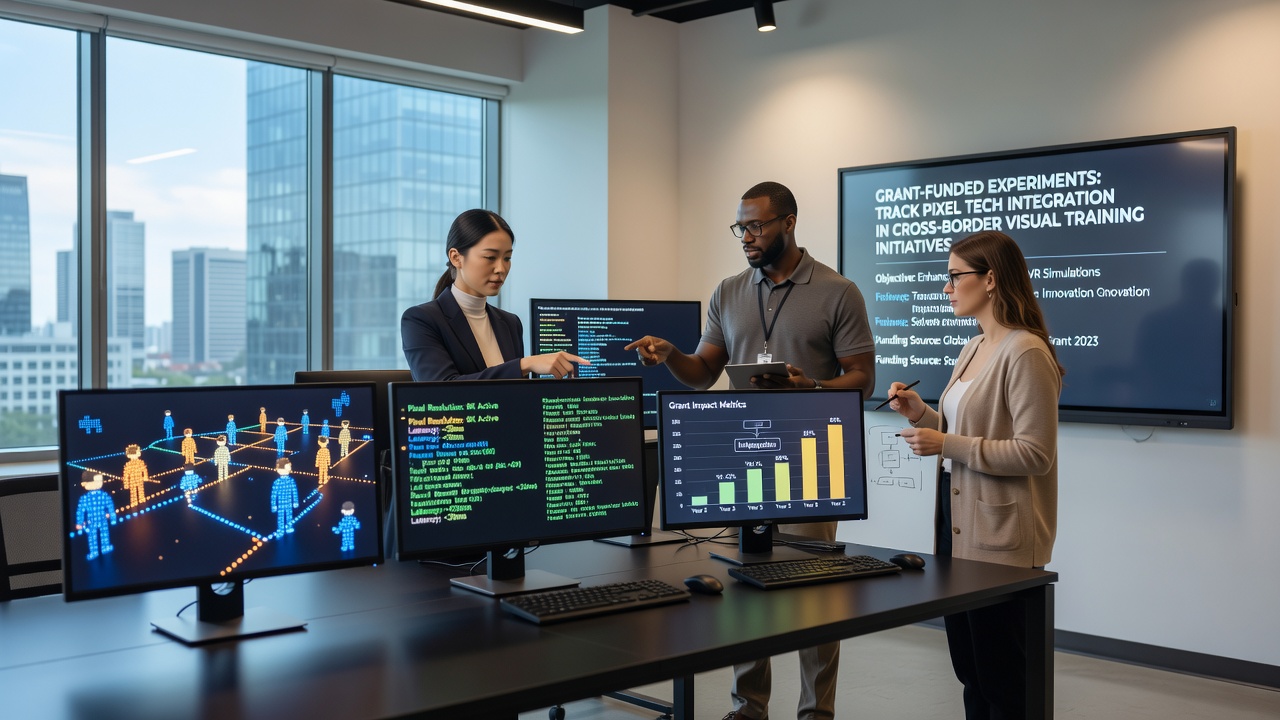
Researchers collect information through shared databases that log every interaction with pixel-based training interfaces, and analysis occurs at centralized facilities equipped for large-scale statistical processing. Figures from the first year of experiments indicate average gains of 18 percent in visual task accuracy when pixel technology receives consistent application, according to aggregated results presented at recent academic conferences. Australian partners contribute additional datasets that compare outcomes against control groups using traditional non-pixel methods, and these comparisons help isolate the specific contributions of the technology.
Case examples include a module on medical imaging where trainees in multiple countries practiced identifying anomalies in pixel-processed scans, and success rates rose steadily over repeated sessions. Another series of exercises focused on graphic design principles, where participants applied pixel manipulation techniques to refine visual compositions under timed conditions. Both examples demonstrate how the grant structure encourages replication of methods across borders to build comparable evidence.
Challenges in Coordination
Teams encounter differences in regulatory requirements for data privacy when moving information between jurisdictions, yet they address these through standardized consent forms and anonymization procedures approved by all involved ethics boards. Technical compatibility issues arise when pixel software versions differ slightly between sites, and project managers resolve most discrepancies through scheduled updates and shared testing protocols.
Funding guidelines emphasize measurable milestones, which include documented improvements in training outcomes and detailed logs of technology deployment timelines. These requirements keep experiments aligned with the original grant objectives while allowing flexibility for local adaptations that suit specific institutional resources.
Conclusion
Grant-funded experiments continue to generate structured data on pixel technology integration within cross-border visual training initiatives, and the accumulated records provide a foundation for future program expansions. Participating institutions maintain ongoing documentation that supports replication efforts elsewhere, while scheduled releases such as the October 2026 dataset will offer further opportunities for external analysis. The approach connects funding mechanisms directly to practical training advancements across regions.