David Roth · 21 September 2026
Pixel Design Competitions Across Eastern Europe Signal Changes in Visual Education Strategies
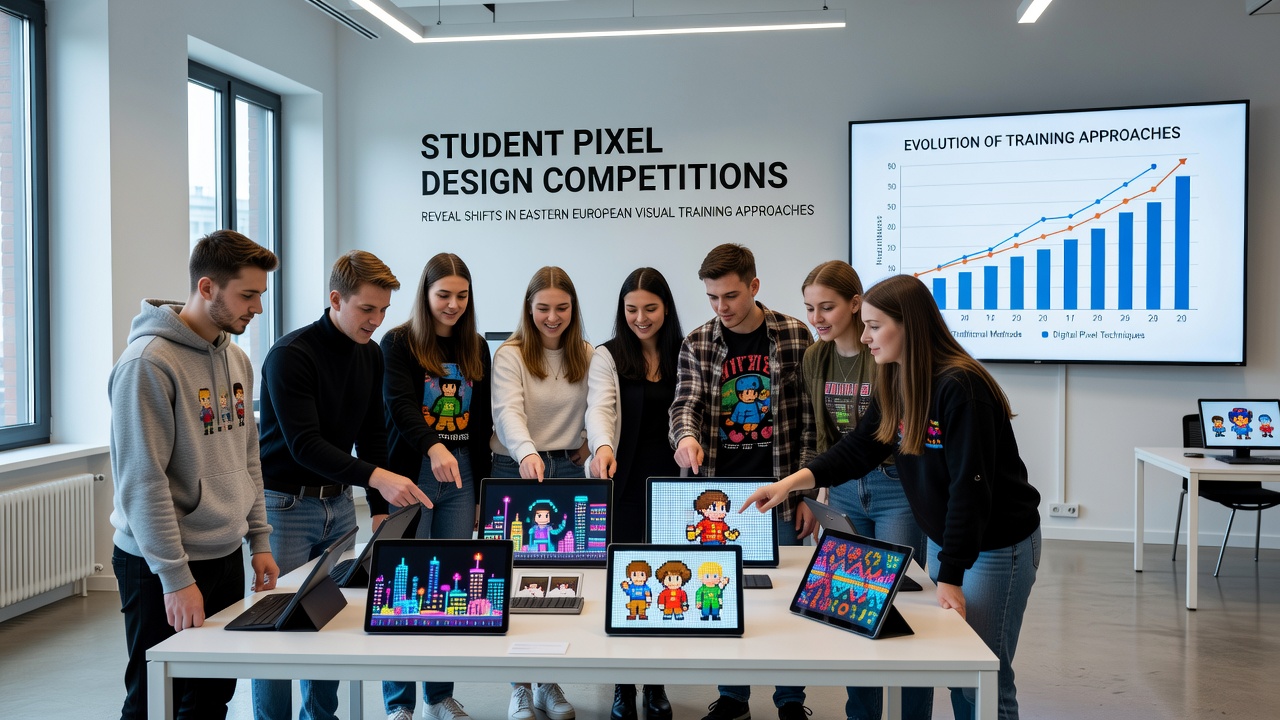
Student competitions focused on pixel design have drawn attention to evolving methods in visual training programs throughout Eastern Europe, with events in 2025 and planned activities for September 2026 highlighting adjustments in curriculum priorities and teaching techniques. Observers note that these gatherings bring together participants from multiple countries including Hungary, the Czech Republic, Slovakia, and Romania, where entries emphasize technical precision alongside conceptual development in digital imagery.
Research indicates that organizers track shifts away from isolated skill drills toward integrated projects that combine pixel-based creation with broader media literacy components, and data from competition submissions shows increased use of collaborative platforms during preparation phases. According to reports compiled by regional education networks, entries now frequently incorporate elements of animation sequencing and interactive design that were less common in prior years, reflecting updates in how institutions approach foundational visual exercises.
Background on Regional Competition Formats
Events such as the annual Central European Pixel Showcase and the Danube Digital Arts Challenge operate on schedules that include preliminary rounds in spring followed by finals in late summer, while September 2026 has been set as the date for an expanded edition that will feature virtual submissions alongside in-person displays in Prague. Participants submit works created under specific constraints like limited color palettes or resolution limits, and judging panels evaluate both technical execution and narrative coherence within the pixel constraints.
Figures from past cycles reveal participation growth from around 450 entries in 2023 to over 720 in 2025, with a notable rise in team-based projects that require coordination across different universities and academies. Those who've reviewed submission archives point out that themes often address local cultural motifs rendered through digital grids, which allows trainers to connect historical visual traditions with contemporary software tools in a structured manner.
Documented Adjustments in Training Methods
Training programs in the region have incorporated feedback loops from competition outcomes, leading to revised module sequences that introduce pixel fundamentals earlier in the academic year while extending project durations to allow for iterative refinement. Studies conducted by Eastern European design faculties show that students who engage in these events demonstrate measurable improvements in spatial reasoning tasks compared with control groups that follow standard lecture formats alone.
What's notable is the integration of real-time critique sessions modeled after competition judging, where instructors use anonymized past entries to illustrate decision-making processes rather than relying solely on textbook examples. Data collected through post-event surveys indicates that participants report higher retention of software shortcut commands and file management protocols when they prepare under timed conditions similar to contest rules.
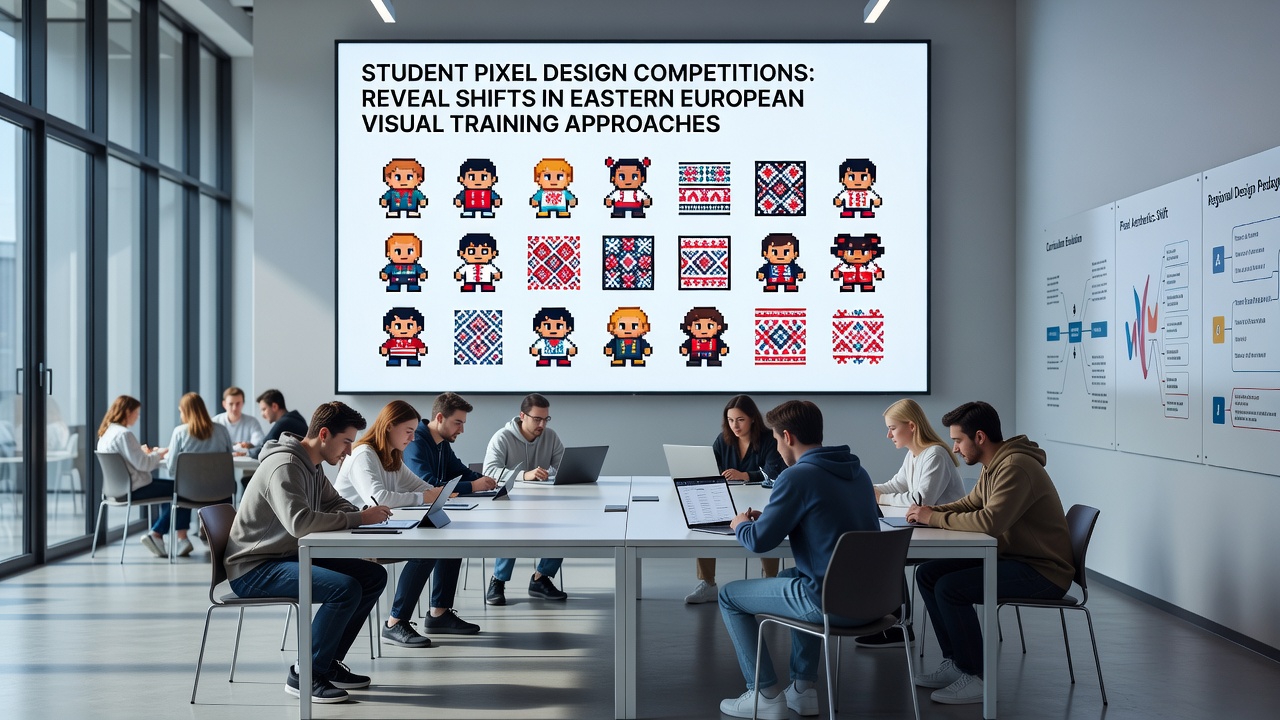
One study released by a consortium of technical universities documented a 28 percent increase in cross-disciplinary collaborations, such as pairings between visual arts students and computer science departments, following the 2024 competition cycle. This pattern aligns with broader trends observed in EU education monitoring reports that track digital skill development across member states.
Examples from Specific Institutions and Events
At the Budapest Academy of Digital Media, faculty adjusted workshop schedules after reviewing 2025 competition results, adding modules on color theory applied to limited palettes that directly addressed common weaknesses identified in submitted works. Similar adjustments appeared at the Brno University of Technology, where instructors began requiring students to maintain digital sketchbooks that log iteration steps, a practice drawn from contest debriefing materials.
Competitions have also surfaced patterns in how visual training incorporates accessibility considerations, with several winning entries in 2025 featuring designs optimized for color-blind viewers through deliberate contrast choices. Researchers tracking these developments note that such features now appear in standard assignment rubrics at multiple academies, indicating a transfer of competition-driven innovations into everyday coursework.
Broader Implications for Visual Training
Evidence from longitudinal tracking of competition alumni suggests that involvement correlates with faster entry into professional roles in game development studios and digital media agencies across the region. Industry organizations such as the European Game Developers Federation have cited these events as useful indicators of emerging talent pipelines, and academic papers presented at international conferences have referenced competition datasets when discussing curriculum effectiveness metrics.
Links to external analyses appear in summaries from the OECD education directorate, which compiles comparative data on digital arts programs, along with findings from a Canadian research initiative at the University of Toronto that examined pixel-based pedagogy in cross-cultural contexts. These sources provide additional context on how regional experiments fit into wider patterns of visual education reform.
Conclusion
Student pixel design competitions continue to serve as observable markers of change in Eastern European visual training, with documented updates in teaching sequences, collaboration structures, and evaluation criteria emerging directly from event outcomes. As preparations advance for the September 2026 gatherings, ongoing monitoring by education networks will likely capture further refinements in how institutions balance technical pixel skills with conceptual and collaborative dimensions of digital visual work.