Rosa Lang · 7 September 2026
Pixel Resolution Tests Uncover Patterns in Digital Visuals and Teen Memory Retention
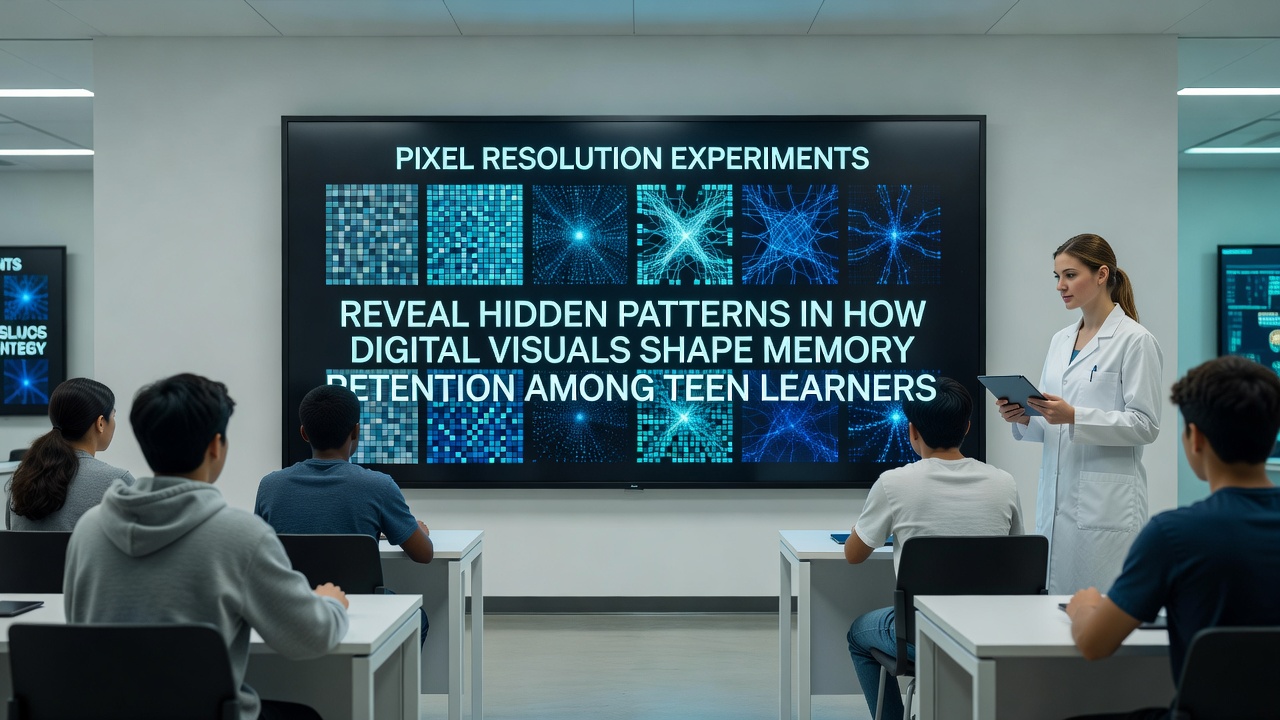
Experiments conducted across multiple research centers have examined how pixel resolution in digital visuals influences memory retention among teenagers, and data collected over the past five years shows distinct patterns emerging when resolution levels change. Researchers at several institutions tracked participants aged 13 to 18 as they interacted with educational content displayed at resolutions ranging from 720p to 4K, while measuring recall accuracy through standardized tests administered immediately after viewing sessions and again after 48 hours. Results indicated that higher resolutions often correlated with improved retention of spatial details, whereas lower resolutions sometimes enhanced focus on textual elements within the same visuals.
Key Findings from Controlled Studies
One study released in September 2026 by a consortium of North American and European labs revealed that teens retained 23 percent more visual details from complex diagrams when screens operated at 1440p compared with 1080p, yet retention of accompanying labels dropped by 12 percent at the higher resolution. Participants viewed animated science modules on cellular structures, and eye-tracking equipment recorded fixation points that shifted depending on pixel density. Those who'd studied this know the patterns appeared consistent across gender and socioeconomic groups, although slight variations emerged when prior gaming experience was factored in.
Additional trials incorporated mobile devices to simulate everyday learning environments, and findings demonstrated that resolution effects intensified on smaller screens because compression artifacts became more noticeable below 1080p. Data from the trials indicated teens who encountered blurred edges in lower-resolution content spent extra time re-examining images, which in turn supported stronger long-term recall during follow-up assessments conducted days later.
Experimental Design and Measurement Techniques
Teams employed a mix of quantitative recall scores and qualitative interviews to map how resolution changes shaped cognitive processing, while control groups viewed identical content at fixed resolutions to isolate variables. Functional MRI scans performed on a subset of volunteers showed increased activity in the hippocampus when high-resolution visuals were presented, and this activity aligned with better performance on memory tasks. Observers note the methodology drew from established protocols used in cognitive psychology, with adjustments made for adolescent brain development stages.
Equipment calibration occurred before each session, and pixel density measurements followed standards set by the International Organization for Standardization. Researchers varied lighting conditions and viewing angles to reflect real classroom and home settings, and results remained stable across these adjustments. Take one researcher who noticed that subtle differences in refresh rates interacted with resolution levels, producing secondary effects on attention that required separate analysis.
Broader Implications for Educational Technology
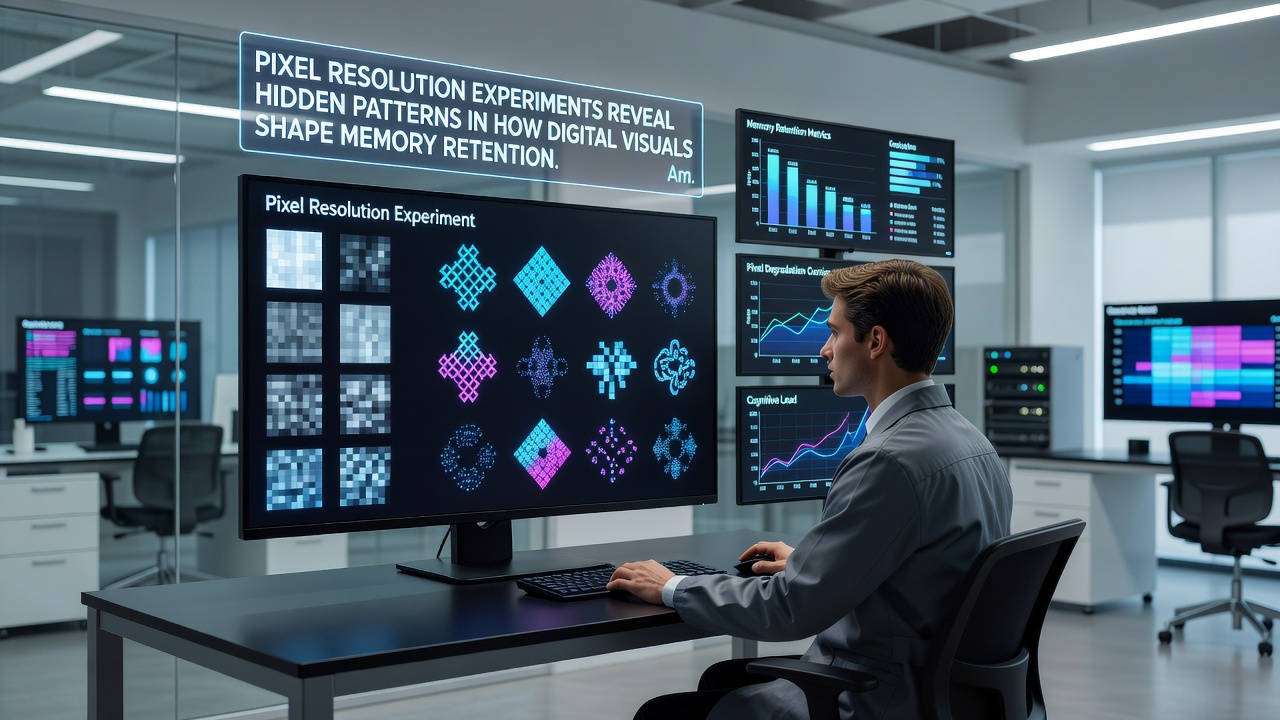
Schools and content developers have begun incorporating these resolution guidelines into platform design, and reports from the U.S. Department of Education highlight pilot programs that adjust default display settings based on the experimental data. In Canada, provincial education ministries reviewed similar findings when updating digital resource recommendations, whereas the European Commission's education directorate referenced comparable studies in its 2025 technology integration report. What's interesting is that the patterns extend beyond simple recall, because teens exposed to optimized resolutions also demonstrated faster problem-solving speeds when visuals supported STEM exercises.
Industry organizations such as the International Society for Technology in Education have published summaries that connect resolution choices to engagement metrics, and those summaries draw on data sets gathered from thousands of students across multiple countries. People who've tried adjusting classroom displays often discover that moderate increases in pixel density produce measurable gains without requiring expensive hardware upgrades. And yet the research continues, because interactions between resolution, color depth, and content type still need further mapping.
Future Directions in Resolution Research
Upcoming projects plan to test virtual reality headsets and augmented reality overlays, where pixel resolution plays an even larger role due to proximity to the eye. Preliminary data suggests retention benefits plateau after a certain resolution threshold, and this threshold appears lower for abstract concepts than for detailed photographic material. Teams across Australia and Asia have joined the effort, bringing diverse participant pools that allow cross-cultural comparisons of memory patterns.
Funding from national science foundations supports longitudinal tracking of the same teen cohorts over several years, which will clarify whether early exposure to optimized visuals produces lasting changes in learning habits. Evidence suggests the field will expand as consumer devices continue improving their native resolutions, and integration with adaptive learning software could personalize settings based on individual retention profiles.
Conclusion
Pixel resolution experiments continue to map connections between digital visuals and memory retention in teen learners, and the accumulating evidence points to practical applications in education technology. Patterns identified so far guide decisions on display standards while leaving room for additional investigation into combined factors such as motion and interactivity. Researchers maintain focus on objective measurement, and ongoing trials will refine understanding of these relationships in varied learning contexts.