Finley Reed · 2 September 2026
Polish universities have introduced revised curriculum standards for pixel imaging programs, aiming to align educational outcomes with evolving industry demands in digital media. The changes, coordinated through the Ministry of Science and Higher Education, emphasize technical proficiency, ethical practices, and integration of emerging tools. Institutions including those affiliated with Pixel Digital Media Education are expected to implement the updates by the next academic year.
Key Revisions in Curriculum Requirements
The new standards mandate increased focus on high-resolution imaging techniques, color management protocols, and computational photography modules. Students must demonstrate competence in both raster and vector workflows while incorporating data-driven approaches to image processing. Coursework now requires projects that address accessibility and cultural representation in visual content. Faculty will undergo training sessions to ensure consistent delivery across programs. These adjustments respond to feedback from media companies seeking graduates skilled in sustainable digital workflows and advanced pixel manipulation software. Assessment criteria have been updated to include portfolio reviews evaluated by external industry experts, promoting transparency and relevance.
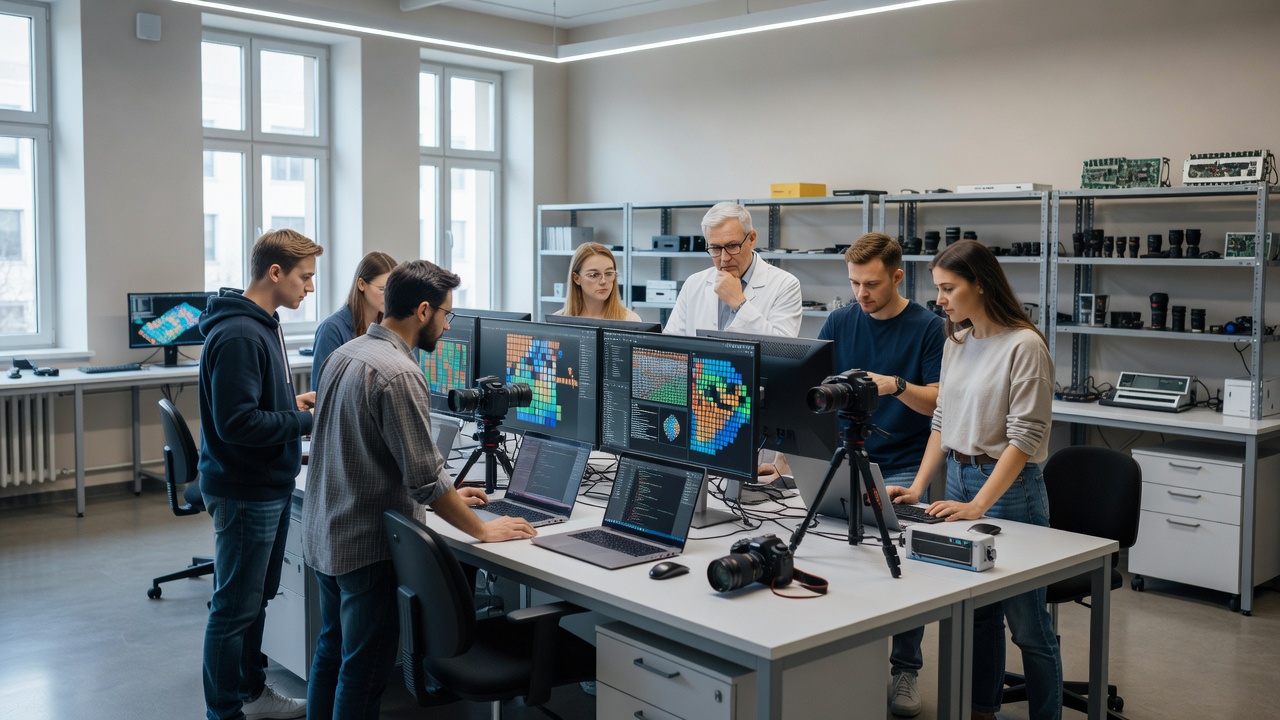
Additionally, the framework introduces mandatory modules on intellectual property in imaging and collaborative practices with related fields such as animation and user interface design. Resource allocation guidelines recommend investment in updated laboratory equipment to support practical training. Universities report that early pilot implementations have shown improved student engagement and technical skill retention.
Broader Implications for Digital Media Education
The curriculum overhaul is projected to enhance graduate employability in Poland's growing creative sector. By standardizing core competencies, the initiative supports mobility between institutions and facilitates international accreditation efforts. Partnerships with technology providers are encouraged to supply current software licenses and case studies. Observers note that the emphasis on ethical imaging practices prepares students for responsible roles in advertising, journalism, and scientific visualization. Long-term evaluations will track employment outcomes and curriculum effectiveness through annual reporting mechanisms. Overall, these developments position Polish higher education as responsive to technological progress while maintaining rigorous academic standards in pixel imaging disciplines.